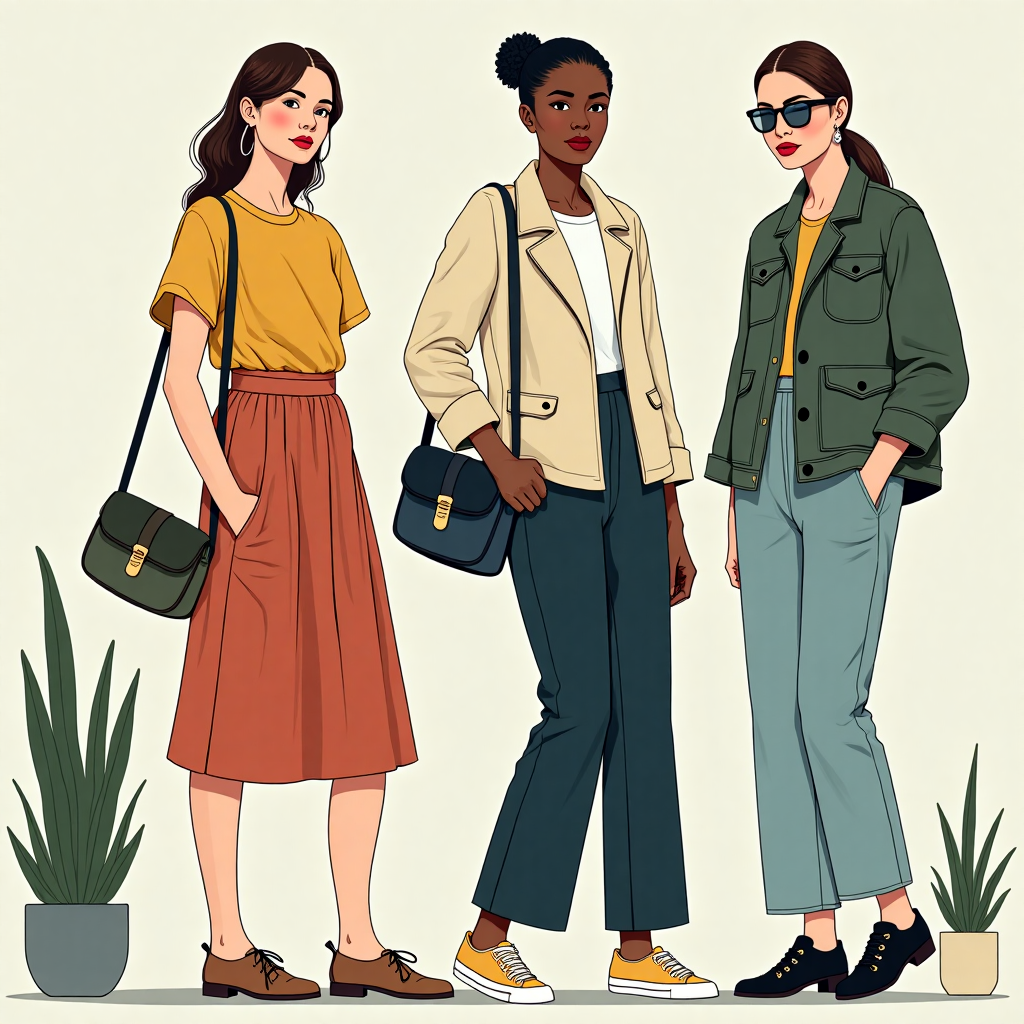
If you have ever stood in front of a rack of organic cotton T-shirts, checked the price tag, and quietly put it back, you are not alone. The phrase sustainable clothing brands worth it has become one of the most searched questions in fashion, and for good reason. We are all trying to balance our budgets with our values, and the gap between a six-dollar fast-fashion top and a sixty-dollar responsibly made one can feel enormous. But the real question is not whether sustainable clothing costs more. The question is what you actually get for that money, how long it lasts, and what it means for the people who made it and the planet we all share.
This article will walk you through why sustainable clothing brands are worth the investment, how to separate genuinely ethical brands from greenwashing, and which labels truly deliver quality, durability, and timeless style. Whether you are a minimalist, a fashion lover, or someone who simply wants to make better choices without sacrificing style, this guide is for you.
What Does “Sustainable Clothing” Really Mean?
The word “sustainable” gets thrown around so often that it can start to feel meaningless. In fashion, sustainability is not a single action. It is a broad commitment that includes environmental protection, ethical labor, durable design, and circularity. A truly sustainable clothing brand considers the entire life cycle of a garment: how the raw materials are grown or created, how the fabric is processed and dyed, who sews the final piece, how far it travels, what happens when it is washed, and what occurs when the owner no longer wants it.
For example, a brand might use organic cotton to reduce pesticide use, but if that cotton is grown in a water-stressed region and processed with toxic dyes, the label “sustainable” becomes complicated. This is why the best sustainable clothing brands are transparent about their supply chains, specific about their materials, and willing to share both their wins and their challenges.
Materials That Make a Difference
Not all eco-friendly fabrics are created equal. Understanding the materials is a key step in deciding whether a sustainable clothing brand is worth it for your wardrobe. Some of the most impactful materials include:
- Organic cotton – grown without synthetic pesticides and often uses less water than conventional cotton when managed well.
- Linen and hemp – durable natural fibers that require minimal water and improve with age.
- Tencel and lyocell – made from wood pulp in a closed-loop process that reuses water and solvents.
- Recycled polyester and nylon – reduce landfill waste and reliance on virgin petroleum, though they still shed microplastics.
- Regenerative wool and alpaca – animal fibers raised in systems that can improve soil health and sequester carbon.
A brand that uses these materials thoughtfully is already a step above conventional alternatives. But material is only part of the story.
Why Sustainable Clothing Brands Are Worth the Investment
Many shoppers experience sticker shock when they first look at ethical fashion. A plain white T-shirt from a sustainable brand might cost three to five times more than a similar-looking item from a fast-fashion chain. But comparing those two shirts by price alone is misleading. The sustainable option is often made from higher-quality fabric with stronger stitching, designed to last for years, and produced by workers earning a fair wage. The fast-fashion version is likely designed to be worn a few times before losing its shape, fading, or falling apart.
Lower Cost Per Wear
One of the most useful tools for evaluating clothing is cost per wear. Instead of asking how much an item costs, ask how much it costs each time you wear it. A ten-dollar shirt that is worn five times costs two dollars per wear. A sixty-dollar organic cotton shirt that is worn sixty times costs one dollar per wear. The sustainable shirt becomes the more affordable option over time. This is why many people find that buying fewer, better items actually saves them money in the long run.
Better Quality and Craftsmanship
Sustainable brands have a strong incentive to produce garments that last. Because their customers are often buying consciously and intentionally, they expect value. Many ethical labels use double-stitched seams, reinforced buttons, natural corozo nut buttons, and high-density weaves that resist pilling. They may also pre-wash fabrics to prevent shrinkage. These details are rare in fast fashion, where speed and low cost are the primary goals. When you buy from a sustainable brand, you are often paying for expertise, not just a logo.
Real Environmental Impact
The fashion industry is responsible for approximately 10% of global carbon emissions and is a major source of water pollution. By choosing sustainable clothing, you help reduce demand for resource-intensive conventional cotton, toxic dyes, and disposable garments. A single high-quality organic cotton T-shirt can save hundreds of gallons of water compared with a conventional one. When you multiply that across a wardrobe, the impact is significant. Additionally, many sustainable brands use circular practices such as take-back programs, repair services, and recycled packaging, which keep clothing out of landfills.
Ethical Labor Practices
Behind every garment is a human being. Fast fashion has long been associated with unsafe factories, child labor, and poverty wages. Sustainable clothing brands worth your money make a point of paying fair wages, ensuring safe working conditions, and often publish the names and locations of their factories. This transparency is not just about feeling good; it is about protecting real people. When you buy from an ethical brand, you are voting for a system that values workers over speed.
How to Spot a Sustainable Brand That Is Truly Worth It
Greenwashing is everywhere. A brand might add a few organic cotton items to a collection of thousands of synthetic pieces and call itself conscious. Or it might use vague phrases like eco-friendly or natural without any proof. To ensure your money is going to a genuinely sustainable clothing brand, look for these indicators:
- Third-party certifications – Look for GOTS (Global Organic Textile Standard), Fair Trade Certified, B Corp, OEKO-TEX, Climate Neutral, or Bluesign. These require independent verification.
- Radical transparency – Brands like Everlane and Patagonia publish factory lists, material breakdowns, and even cost breakdowns.
- Take-back and repair programs – A brand that offers repairs or accepts old garments for recycling is investing in the full life cycle.
- Timeless design – Pieces that are not trend-driven are much more likely to be worn for years, making them worth the investment.
- Natural or recycled fibers – A high percentage of natural, organic, or recycled materials is a strong sign.
It is important to remember that no brand is perfect. Sustainability is a journey. But a brand that openly shares its progress, sets measurable goals, and avoids misleading marketing is far more likely to be worth your money.
Top Sustainable Clothing Brands Worth It in 2025
Here are some of the best sustainable clothing brands that consistently deliver on quality, ethics, and durability. These labels are not perfect, but they are leading the industry and have earned their reputations through transparency and craftsmanship.
Patagonia
Patagonia is often the first name that comes to mind when people think of sustainable clothing. Founded by climber Yvon Chouinard, the brand is a certified B Corp and a leader in environmental activism. Patagonia uses recycled materials in many of its products, offers a Worn Wear program that buys back used items, and famously told customers not to buy a jacket to highlight the environmental cost of consumption. Their jackets, fleeces, and outdoor gear are built to last for decades, and if something breaks, they will often repair it for free. For anyone who spends time outdoors, Patagonia is absolutely worth the investment.
Eileen Fisher
Eileen Fisher has been quietly pioneering sustainable fashion since the 1980s. The brand focuses on simple, elegant silhouettes made from organic linen, Tencel, and responsibly sourced wool. Eileen Fisher operates a Renew program that takes back worn items, repairs them, and resells them. The company is a certified B Corp and has long championed fair labor practices. While the price point is high, the pieces are timeless, versatile, and remarkably durable. Many women build entire work wardrobes around a few Eileen Fisher basics.
Everlane
Everlane built its brand on the idea of radical transparency. The company reveals the true cost of each item, from materials to labor to transportation. Everlane uses organic cotton, recycled fabrics, and works with ethical factories around the world. Their cashmere, denim, and everyday basics are known for clean lines and solid construction. While Everlane has faced criticism for some inconsistencies in the past, they remain one of the most accessible sustainable clothing brands for people who want a modern, minimalist wardrobe without extreme prices.
Pact
Pact is one of the best budget-friendly sustainable clothing brands. Specializing in organic cotton basics, activewear, and loungewear, Pact is GOTS certified and Fair Trade Certified. Their clothing is soft, breathable, and affordable, often available in multipacks. While the styles are simple, they are ideal for everyday wear, underwear, socks, and kids clothing. Pact proves that sustainable fashion does not have to be a luxury purchase.
Quince
Quince has become a favorite for people who want high-quality materials at accessible prices. The brand works directly with factories to cut out middlemen and offers cashmere, silk, organic cotton, and washable silk at impressive prices. Quince has committed to OEKO-TEX standards and uses recycled packaging. Their Mongolian cashmere sweaters, in particular, are frequently cited as some of the best value in sustainable fashion. While Quince is not as deeply transparent as Patagonia or Eileen Fisher, its price-to-quality ratio makes it worth considering.
Girlfriend Collective
For activewear, Girlfriend Collective has set a high bar. The brand makes leggings, sports bras, and tops from recycled water bottles and fishing nets. Girlfriend Collective is SA8000 certified, which means their factories meet strict social responsibility standards. The clothing is compressive, supportive, and available in an inclusive size range. Their transparent supply chain and take-back recycling program make them one of the best sustainable activewear brands worth buying.
Outerknown
Outerknown was founded by surfer Kelly Slater with a mission to make sustainable clothing that looks good and lasts. The brand uses organic cotton, recycled ocean plastic, and responsible wool. Outerknown is a Fair Labor Association member and has committed to circularity through its Outerworn resale platform. Their hoodies, shirts, and swim trunks are laid-back, coastal, and durable. While prices are high, Outerknown pieces are made to endure both waves and washing machines.
People Tree
People Tree is a pioneer in fair trade and sustainable fashion. The UK-based brand has been working with artisans and farmers in developing countries for over 30 years. People Tree uses organic cotton, Tencel, and responsible wool, and is certified by the World Fair Trade Organization. Their collections feature playful prints, dresses, and knitwear made in small batches. People Tree is a great choice for women who want distinctive, ethical fashion with a human touch.
The Real Cost Comparison: Sustainable vs. Fast Fashion
Let us be honest about the numbers. A typical fast-fashion dress might cost twenty-five dollars, while a sustainable dress from a brand like Reformation or People Tree might cost one hundred twenty dollars. That is a significant difference at the register. But consider this: the twenty-five-dollar dress is often made from polyester, which is essentially plastic, in a factory where workers may earn less than a living wage. It may begin pilling after three washes, lose its shape, or simply go out of style. You might wear it four times. That is six dollars and twenty-five cents per wear. The one-hundred-twenty-dollar dress, made from linen or organic cotton, with a timeless cut and strong seams, might be worn forty times over several years. That is three dollars per wear. From this perspective, the sustainable dress is actually cheaper.
There is also the hidden cost of fast fashion. The environmental cleanup, the health problems caused by toxic dyes, and the social cost of exploitative labor are not included in the price tag. Those costs are passed on to communities and future generations. When you buy from a sustainable brand, you are internalizing some of those costs, which is why the price is higher. But you are also reducing the burden on the planet and on people.
Building a Wardrobe That Is Actually Worth It
You do not need to replace your entire closet with sustainable brands overnight. In fact, the most sustainable garment is the one you already own. A thoughtful wardrobe is built slowly, with pieces that fit well, work together, and last.
Start With What You Already Own
Before buying anything new, spend time with your current wardrobe. Identify the pieces you wear most often and the gaps that would make those pieces more versatile. You may find that you need fewer new items than you thought. Sustainable fashion is as much about buying less as it is about buying better.
Prioritize High-Impact Pieces
If you are new to sustainable fashion, start with the items that touch your skin most often: underwear, socks, T-shirts, and activewear. Brands like Pact and Girlfriend Collective make these accessible. Then invest in outerwear and denim from brands like Patagonia or Everlane, where durability truly matters. These high-use pieces will give you the greatest return on investment.
Care and Repair to Extend Life
Even the most durable clothing will wear out faster if it is not cared for properly. Wash in cold water, air dry when possible, and avoid harsh detergents. Learn basic repairs such as sewing on a button or patching a small hole. Sustainable brands often provide care guides, and some, like Patagonia, offer free repair services. Extending the life of your clothing by just nine months can reduce its environmental footprint by 20 to 30 percent.
Common Myths About Sustainable Clothing Brands
There are many reasons people hesitate to buy from sustainable brands. Some of these concerns are valid, but many are based on outdated ideas.
Myth: Sustainable Fashion Is Only for Thin, Wealthy People
It is true that sustainable fashion has an inclusivity problem, but this is changing rapidly. Brands like Girlfriend Collective offer sizes from XXS to 6XL. Pact, Quince, and tentree also offer wide size ranges and lower price points. Secondhand sustainable fashion is another excellent option. Platforms like ThredUp, Poshmark, and Depop make it possible to buy ethical brands at a fraction of the retail price.
Myth: Sustainable Clothing Is Boring
This may have been true a decade ago, when sustainable fashion meant beige sacks and scratchy hemp. Today, sustainable brands span every aesthetic, from minimalist to bohemian to streetwear. Reformation is known for flirty dresses, Outerknown for surf style, and People Tree for colorful prints. You can find sustainable clothing for nearly any personal style.
Myth: One Perfect Brand Exists
No brand is perfect. Even the best sustainable clothing brands face trade-offs. Recycled polyester still sheds microplastics. Organic cotton still uses water. Shipping items overseas still creates emissions. The goal is not perfection; it is progress. Supporting brands that are genuinely trying, while also reducing your overall consumption, is the most powerful action you can take.
Conclusion
So, are sustainable clothing brands worth it? The answer is a resounding yes—when you choose the right brands and the right mindset. Sustainable fashion is not about buying a wardrobe full of expensive basics overnight. It is about shifting from a culture of disposability to one of care, quality, and intention. By focusing on cost per wear, demanding transparency, and supporting brands that respect both people and the planet, you can build a wardrobe that looks good, feels good, and actually lasts.
The next time you face that sixty-dollar organic T-shirt, remember that you are not just buying a piece of fabric. You are investing in decades of use, in fair wages, in cleaner water, and in a future where fashion does not have to cost the earth. That is a purchase worth making.